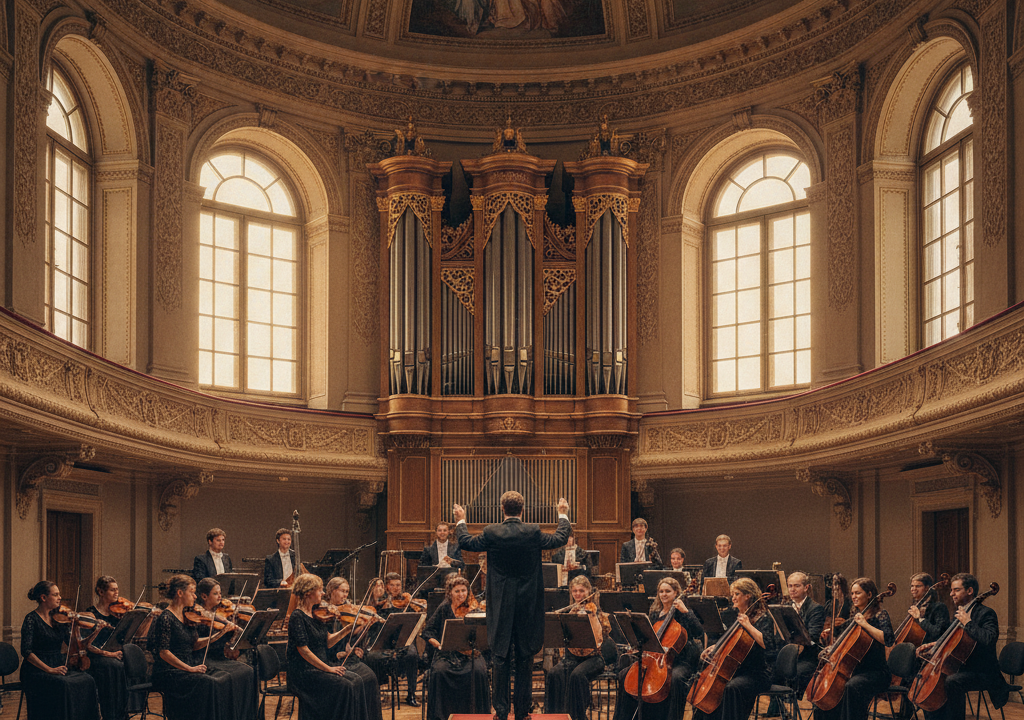
The enduring appeal of classical music lies in its capacity to transcend the temporal boundaries of its origin, offering a sonic architecture that remains as structurally profound today as it was centuries ago. While contemporary listeners are often inundated with the hyper-compressed rhythms of digital media, the symphonic tradition provides a necessary counterweight: a complex, expansive exploration of human emotion that demands patience and active engagement. It is not merely a relic of a bygone era, but a living language of harmonic tension and resolution that continues to inform the foundational vocabulary of modern composition.
The challenge facing the genre in the twenty-first century is not a lack of relevance, but a need for accessibility. As traditional concert halls grapple with shifting demographics, the music itself is finding new life in unexpected spaces, from the minimalist arrangements favored by modern producers to the immersive, high-fidelity experiences offered by global streaming platforms. These digital bridges are dismantling the elitist barriers that once defined the medium, inviting a younger generation to discover the visceral power of an unamplified orchestra or the intimate introspection of a solo piano.
Ultimately, the preservation of classical music depends on our willingness to treat it as a dynamic, rather than static, art form. By fostering a culture that prizes both historical reverence and creative experimentation, we ensure that these masterworks remain central to our collective cultural consciousness. As we look toward the future, the integration of new technologies and diverse narratives will likely redefine the boundaries of the genre, proving that the most resonant sounds are those that can endure the relentless passage of time while still speaking directly to the present moment.